A proven workflow needs a dependable mobile product

Business App Development

Turn inventory, booking, order, payment or field operations into a testable, supportable app while keeping business accounts, data and source code under client control.

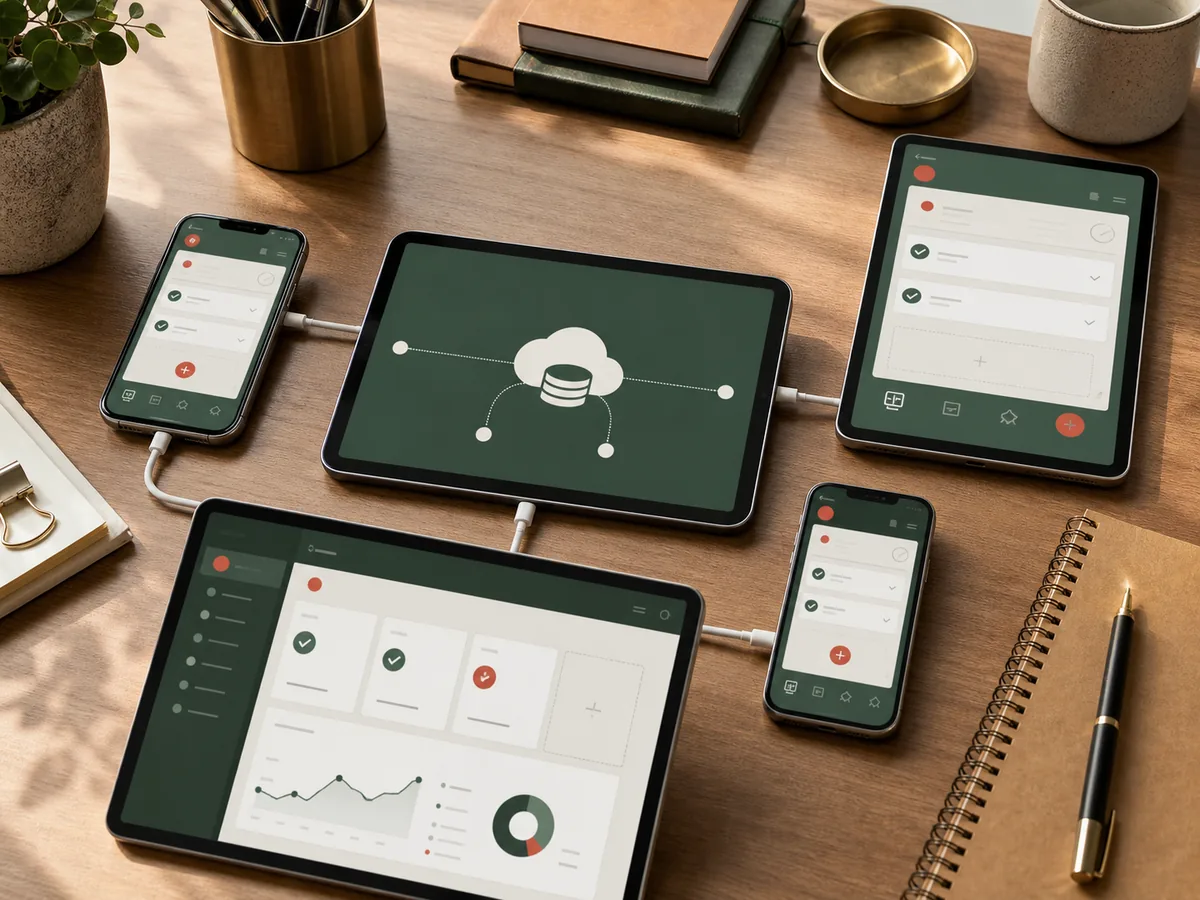
Operational mobile workflow connected to a customer-controlled business system

Where it fits

This route suits inventory scanning, bookings, orders, payments, field operations, internal tools and mobile clients for an existing web system with a named process owner. It does not suit game-engine products, intensive 3D, extreme device-performance requirements or work without a clear lawful operating entity.

What we need first

The client provides real user roles, the current workflow, representative data, available system or API information, device constraints and a preferred release window. Production access and credentials are not needed for the first conversation.

What we own in delivery

The agreed scope may include requirements shaping, user flows, necessary prototypes, client development, specified backend or integration work, testing and release preparation. Admin portals, migration, payments, messaging, push, offline synchronisation and hardware access are priced explicitly and are excluded unless written into scope.

Platforms and accounts

iOS, Android, mini-program and PWA delivery is chosen around the user context, not a preferred framework. The client registers and controls app-store, cloud, payment, messaging and analytics accounts. If cross-platform delivery cannot safely meet performance, device or review requirements, we recommend native work or decline the engagement.

Acceptance

The first milestone proves one complete workflow and covers normal use, unauthorised actions, duplicate requests, network loss and dependency timeouts. Each stage includes a demonstration, written acceptance record and the corresponding source.

Commercial scope

What the first engagement includes

An initial fit check is free. Definition and implementation are quoted only after the workflow, dependencies and acceptance evidence are understood.

Typical deliverables

  • Written scope, assumptions and acceptance evidence
  • A risk and dependency map for the first milestone
  • Tested delivery and deployment notes appropriate to the change
See a technical review deliverable example

Review ownership, payment and handover safeguards

Documented deliverables

  • Requirements brief
  • User flow and prototype
  • Acceptance checklist
  • Test report
  • Release checklist
  • Source handover checklist

Common questions

We confirm price and timing only after reviewing the workflow, integrations and existing evidence. Start with a technical review when the boundary is not yet clear.

Business-system boundary

See how this capability fits into a complete operating system.

Explore custom business systems

Expected outcomes

Typical outcomes

01

One end-to-end operational workflow with acceptance evidence

02

Client-controlled store, cloud and vendor accounts

03

Testing, release and source handover records

Start with the right question

Define the first safe custom milestone.

Share the workflow, current state and expected outcome. We will identify what must be verified before implementation.

Discuss your project